
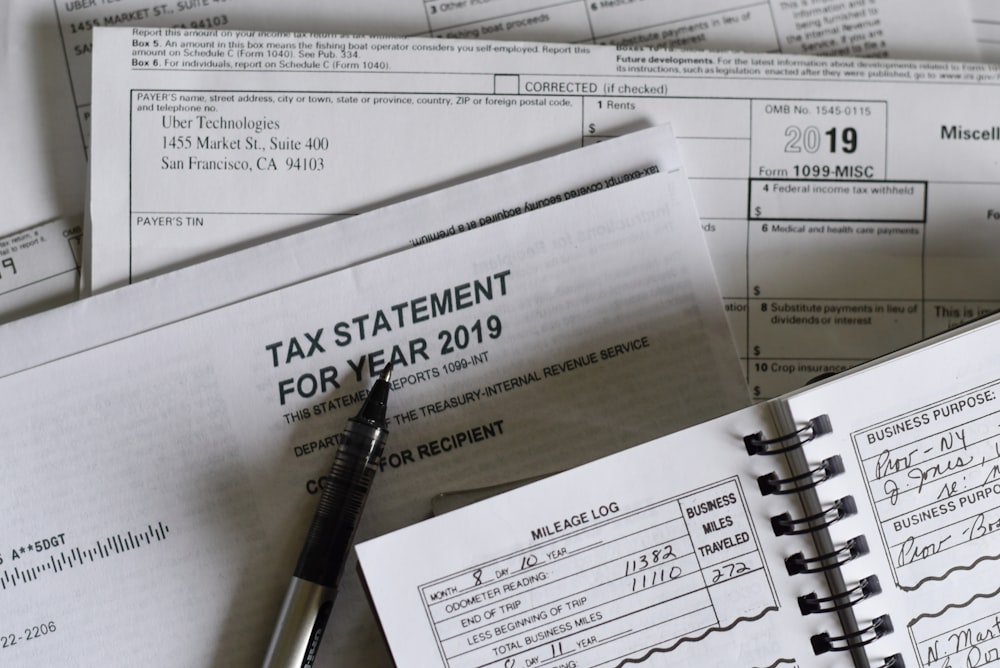
Photo by Olga DeLawrence ()

Tiffany Wang is anÌýIPilogueÌýWriter,ÌýIntellectual Property Journal Editor, and a 2L JD Candidate at Osgoode Hall Law School.Ìý
Ìý
Intellectual property and taxes—an unlikely convergence.ÌýÌý
Since theÌýÌýhas accelerated on a global scale. AsÌýÌý(markingÌýa 74% increase in 44 years).Ìý.ÌýÌý
Intellectual property is a key category of intangible assets. Intellectual property falls into the category ofÌýÌýamong others. Often, trademark and patent are protection tools to prevent competitors from exploiting value-driving assets.Ìý
Intangible assets inevitably lead to a quagmire: how do governments tax intangibles?Ìý. How does one impose taxes on something invisible (e.g.Ìýdata or goodwill)?ÌýOr somethingÌýwith aÌývalueÌýmore difficult toÌýdecipher?ÌýÌý
Under paragraph 3(a) of theÌýIncome Tax ActÌý(“ITAâ€�),Ìý. Property is defined in section 248 of the ITA asÌýÌýwhether real or personal or corporeal or incorporeal. Logically, intellectual property may be subject to taxation under paragraph 3(a). However,Ìý. Not only does the difficulty of determining the fair market value of intangible assets render taxation different from the traditional economy, but the lack of concrete legislative guidance underminesÌýthe predictability and efficiency of taxation.ÌýÌý
Another issue is the difficulty in treating intellectual property as either capital or income. Intangible assets can simultaneously fall into both categories. For instance,Ìý. However, if a taxpayer sells a copyright-protected work and transfers copyright, then the revenue generated would be income.ÌýÌý
As other jurisdictions have reformed the taxation of intangible assets, Canada has remained largely stagnant on the matter. .ÌýAdditionally, the Organisation for Economic Co-operation and Development has turned to base erosion and profit shifting tools to strategize how to close the taxation loopholes triggered by intangible assets and payments (e.g.Ìýroyalties).ÌýÌý
The rapid replacement of brick-and-mortar industries by digitalization creates opportunities to reform taxation. To parallel business development, perhaps novel legislative reforms are required to ensure that Canada does not fall behind in the global restructuring of taxation.ÌýÌý