
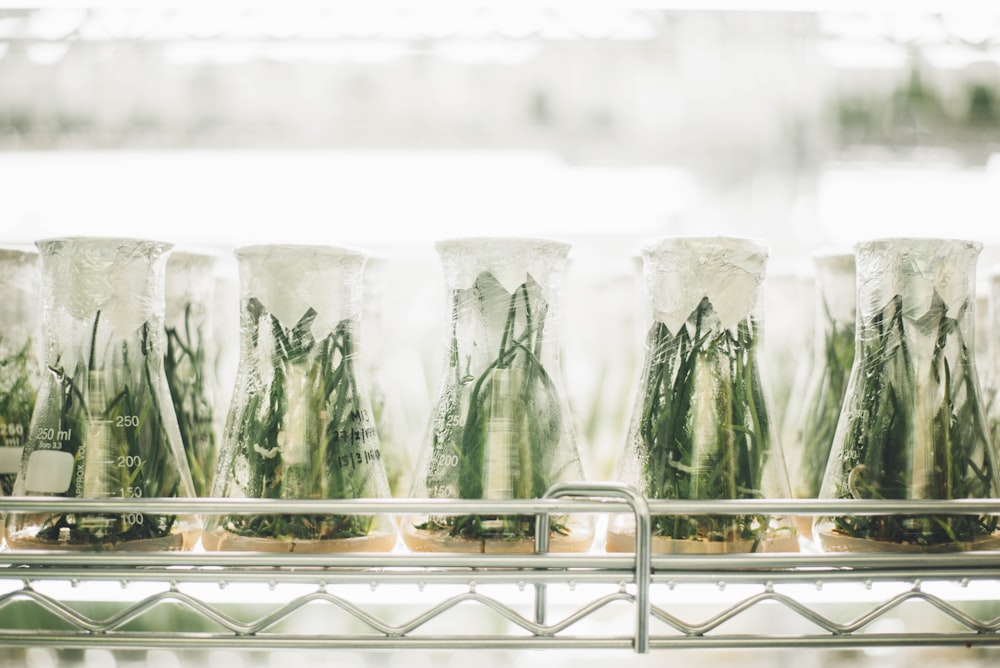
Photo by CHUTTERSNAP ()
 Emily Chow is an IPilogue Writer and a 1L JD Candidate at Osgoode Hall Law School. Ìý
Ìý
I wouldn’t consider myself to have a “green thumbâ€� or have been born with plant parent instincts. Rather, it’s taken various (unsuccessful) experiments with succulents, cacti, annual and perennial flowers, and lush tropical plants to learn how to notÌýlovingly flood them with water, despite my best intentions. Fast forward to the present; moving to Ontario for law school meant that I had to entrust my plants to my brother, who made it quite clear that he didn’t know what he was doing. Moving into my dorm at Osgoode was even more exciting when I realized I could welcome some new sprouts and furnish the space accordingly. I was also excited to continue experimenting with plant propagation.Ìý
You can imagine my surprise when IÌýread theÌýwords “â€� or “ prohibitedâ€� in all capital letters, bolded, and printed on the plastic care and instruction tags attached to my newly acquired plants. With a few weeks’ worth of law school, Google, and a healthy dose of procrastination, I went down a rabbit hole of plant patents and breeders’ rights to see if I could be fined or arrested for propagating some of my pothos . Coming out at the other side of that late-night exploration, I’m reassured that plant enthusiasts, users, andÌýbudding plant parents like meÌýwill notÌýfaceÌýgrave repercussions.ÌýBelow, IÌýpresentÌýsome preliminaryÌýfindings andÌýpoint outÌýfurtherÌýresourcesÌýthat may interest readers.ÌýÌý
In Canada,Ìýprotection of plant varieties andÌý (“PBRsâ€�) fall under the scope of the , which was revised in 2015Ìýto adopt theÌýwidely recognizedÌýÌýPBRsÌýare not patents, but a lower-cost, more accessible mode of protectingÌýlegalÌýrights withoutÌýseeking exclusiveÌýownershipÌýofÌýa "higher life form."ÌýIn Canada,Ìýas held by the Supreme Court in the now-famousÌý case, the only patentable organisms are those categorised as "lower life forms" which include unicellular organisms (e.g. bacteria), cell clusters (moulds and yeast), and (merged cell lines used to test for the presence of antibodies during an induced immune response). Although the U.S. allows entire plants to be patented, Canada does not. In ,Ìýthe SCC outlines a clear distinction between the uniqueness of a plant (potentially PBR eligible) versus the innovative production or technique associated with the life form (potentially patentable).Ìý
PBRsÌýprovideÌýlegal protection inÌýtheÌýÌýthey are granted in,ÌýallowingÌýholdersÌýto receive royaltiesÌýand controlÌýany operations involving their protected variety.ÌýThisÌýincludesÌýprocessesÌýlike the production, sale,ÌýandÌýimports/exportÌýof the plant variety.ÌýIn order to beÌýeligible for protection,Ìýpotential plant candidatesÌýmust beÌý Candidates are published in the Canadian government’sÌýÌýand held toÌýindustry scrutiny.ÌýIf there are no objectionsÌýafter six months,Ìýthe plantÌýbecomes eligible for PBRs.Ìý
The 2015 revision to theÌýPlant Breeders’ Rights Act expanded the scope of rights that PBR certificates grantÌý, among others.Ìý
Why are PBRs important?ÌýIn ourÌýever-changing economy, growing population,ÌýandÌýglobalÌýclimate, it can beÌýsaid that it is in humanity’sÌýbest interest to protect plant varieties and promoteÌýagricultural innovation—not only to addressÌýthe realities ofÌýclimate change, but toÌý. Suppose a new variety of wheat is more drought-resistant than existing plants. Among other , this characteristic would be especially useful for farmers and food systems, as —includingÌýinÌý—become more extreme over timeÌýdue toÌý, which ultimately affects crop yield and quality. SME farmers in other countries also benefit from having an increased market of possible seeds to grow, Ìý
As a final thought, I want to revisit the premise of this article. Propagating pothos or monstera cuttings for personal, non-commercial use, despite infringing on PBRs, will very likely not land you in jail, nor saddle you with a hefty fine. The onus of enforcing PBRs rests on the holder, and the likelihood of plant breeders enforcing their rights on the everyday plant parent (assuming their propagation has negligible or uncompetitive effects on the larger commercial market) appears extremely small. However, propagating protected plants (especially crop varieties), even for personal uses such as gifts or home gardens, bars plant breeders from collecting the full amount of the royalties they are entitled to and reducing resources that could be used toward future innovation. If you have the resources to do so, consider purchasing individual plants in support of local farmers and plant breeders, or at the very least, check the plant tag for any trademark symbols, notices prohibiting reproduction, or indications that the plant in question is legally protected before you propagate it.ÌýÌý Ìý
Further reading:ÌýÌý
The Canadian Food Inspection Agency’s “Guide to Plant Breeders’ Rights in Canadaâ€�: Ìý
The Canadian Food Inspection Agency’s database of registered crop varieties in Canada: Ìý
Impact AssessmentÌýofÌýplant variety protections in Vietnam, a decade after UPOV membership:ÌýÌýÌý
A comparison between U.S. and Canadian frameworks of patents and plant breeders’ rights: ÌýÌý
The World Intellectual Property Organization's look atÌýexisting supportsÌýforÌýenactingÌýUPOVÌýpolicies, and the potential toÌýfacilitateÌýsui generisÌýplant protections:ÌýÌý
Comparing plant variety protections in all African World Trade Organisation member countries:
For those looking for plant care tips:ÌýÌý
Plant Kween, a Black queer femme plant influencer whose tips for indoor plant care helped me: Ìý
Ìý